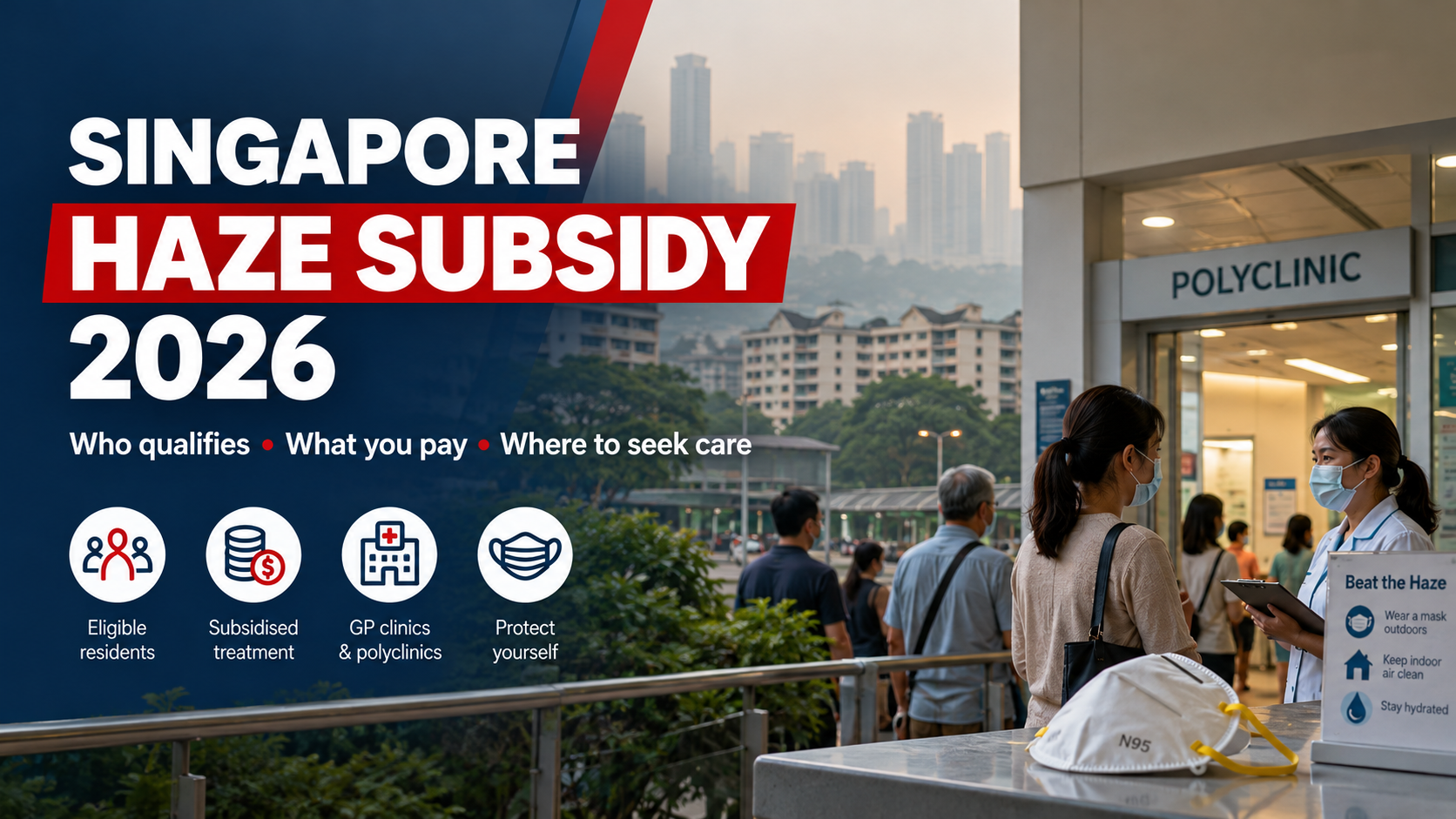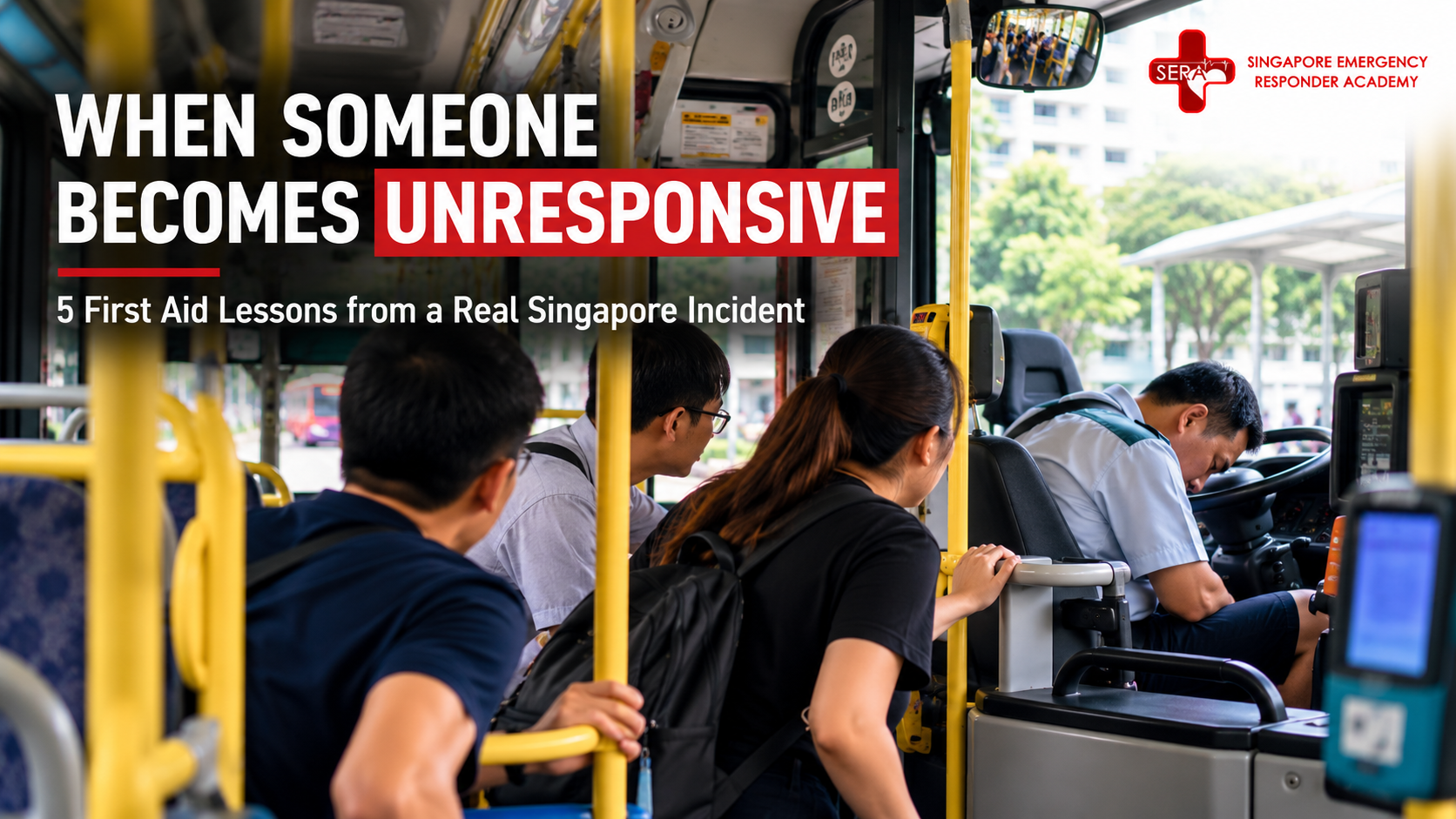
Singapore's Haze Subsidy Scheme begins on 12 October 2026 as worsening air quality raises health concerns. Find out which Singaporeans qualify for subsidised treatment, how much patients pay, which conditions are covered, and when to visit a participating GP clinic, polyclinic or emergency department.

Singapore Heat Stress Rules: Prepare for MOM’s 1 December 2026 Requirements
Workplace safety · MOM update · October 2026
Singapore’s outdoor-work heat-stress framework is changing on 1 December 2026. Employers should use the preparation period to review training, drinking water, emergency cooling supplies and suitable clothing.
MOM announced the enhancements on 28 August 2026. Four existing recommended practices will become mandatory. As of 10 October 2026, that commencement date is still ahead.
The immediate priority: prepare for the additional requirements while continuing to implement safeguards already in force.
What changes on 1 December 2026?
Under MOM’s announcement, employers will be required to:
- Establish a heat-stress training programme for workers exposed to heat.
- Provide cool drinking water near work areas.
- Keep cold water, ice packs or water spray available for emergency response.
- Provide suitable clothing to mitigate or protect against excessive heat stress.
MOM also introduces a recommendation for shaded rest areas that are well ventilated and well insulated or cooled. This is a recommended practice, distinct from the four new mandatory measures.
1 December 2026
The four additional requirements take effect on this date. They complement existing monitoring, hydration, rest, acclimatisation and emergency-planning obligations. Source: MOM, 28 August 2026.
Check the controls that already apply
The current MOM framework requires hourly Wet Bulb Globe Temperature monitoring during work hours. WBGT reflects heat exposure; it is not simply the air temperature shown on a weather forecast.
On-site meters are required at construction sites with contract sums of at least S$5 million, shipyards and the process industry. Other workplaces can refer to NEA’s myENV app.
Workers new to Singapore, or returning after leave longer than a week, need gradual heat acclimatisation over at least seven days. Regular rehydration, shaded recovery and emergency arrangements remain important throughout the preparation period.
Make rest breaks workable on the ground
For heavy physical work at WBGT of 32°C or above, MOM requires at least ten minutes of rest every hour. At 33°C or above, its framework recommends at least fifteen minutes, with longer rest as heat exposure increases.
MOM’s FAQs explain that the required ten-minute break must be continuous. It cannot be split into short pauses or combined into a twenty-minute break every two hours.
Supervisors should decide who releases workers for rest, where recovery happens and how the schedule accommodates changing conditions. A break written into a plan is only useful if workers can actually take it.
Turn training into actions workers understand
A practical programme should help workers recognise symptoms, report feeling unwell and understand the site’s response arrangements. Use language and demonstrations that the team can follow.
For example, a toolbox session can rehearse three questions: Who should I tell? Where is the shaded recovery area? Who will call for emergency help? Supervisors should practise the same sequence.
Assign responsibility for maintaining water and cooling supplies. Check accessibility during every shift, including when work moves to another part of the site. Treat these checks as part of daily operations.
Recognise heat illness and start help promptly
The Singapore First Aid Guidelines’ heat-disorder guidance describes dizziness, headache, nausea, cramps, fatigue and heavy sweating as possible heat-exhaustion symptoms. Stop activity, move the person to a cool place and begin cooling.
Confusion, seizures or collapse following heat exposure should raise concern for heatstroke. Call 995 and begin immediate cooling. Remove excess outer clothing where appropriate, use cool water and airflow, and follow dispatcher instructions.
Do not force fluids. Someone who is confused, unconscious or unable to swallow safely should not be given drinks. If unresponsive and not breathing normally, begin CPR and obtain an AED.
The 2026 Singapore First Aid Guidelines retain earlier heat-disorder guidance and update advice on exertion-related dehydration. Oral rehydration is appropriate only when the person can swallow safely and does not have confusion or shock.
What should employers review during October and November?
- Map outdoor tasks, recovery areas and water access.
- Review training materials with workers and supervisors.
- Assign checks for cooling equipment and supplies.
- Rehearse the emergency call, casualty care and ambulance access.
- Record gaps, responsible owners and completion dates.
This implementation checklist is a practical planning aid. Check MOM’s full framework and FAQs for the requirements applicable to your workplace. Occupational first aid training supports response readiness, but it does not replace the employer’s complete heat-stress programme.
Build practical first aid capability
Read SERA’s Saving a Life with CPR and AED Skills article for a related example of training put into practice.
Occupational First AidExplore workplace first aid training and available course dates.
Standard First AidDevelop practical skills for common illnesses and injuries.
BCLS + AEDPractise resuscitation and AED use for a collapse emergency.
Prepare your team before December
Make casualty assessment, emergency communication and practical first aid part of your workplace readiness.
View Occupational First Aid registration →Frequently asked questions
When do the four additional measures become mandatory?
They take effect on 1 December 2026.
Does the new date postpone existing safeguards?
No. Employers must continue implementing the requirements already in force.
Is WBGT the same as air temperature?
No. WBGT assesses heat exposure and should not be replaced by ordinary air temperature.
Can hourly rest breaks be combined?
No. MOM does not permit combining the required ten-minute hourly breaks into one twenty-minute break every two hours.
What if a worker becomes confused after heat exposure?
Suspect a serious heat emergency, call 995 and start cooling immediately. Do not force drinks.
Regulatory and clinical information checked on 10 October 2026. Refer to MOM’s linked framework for full requirements.

Related Posts