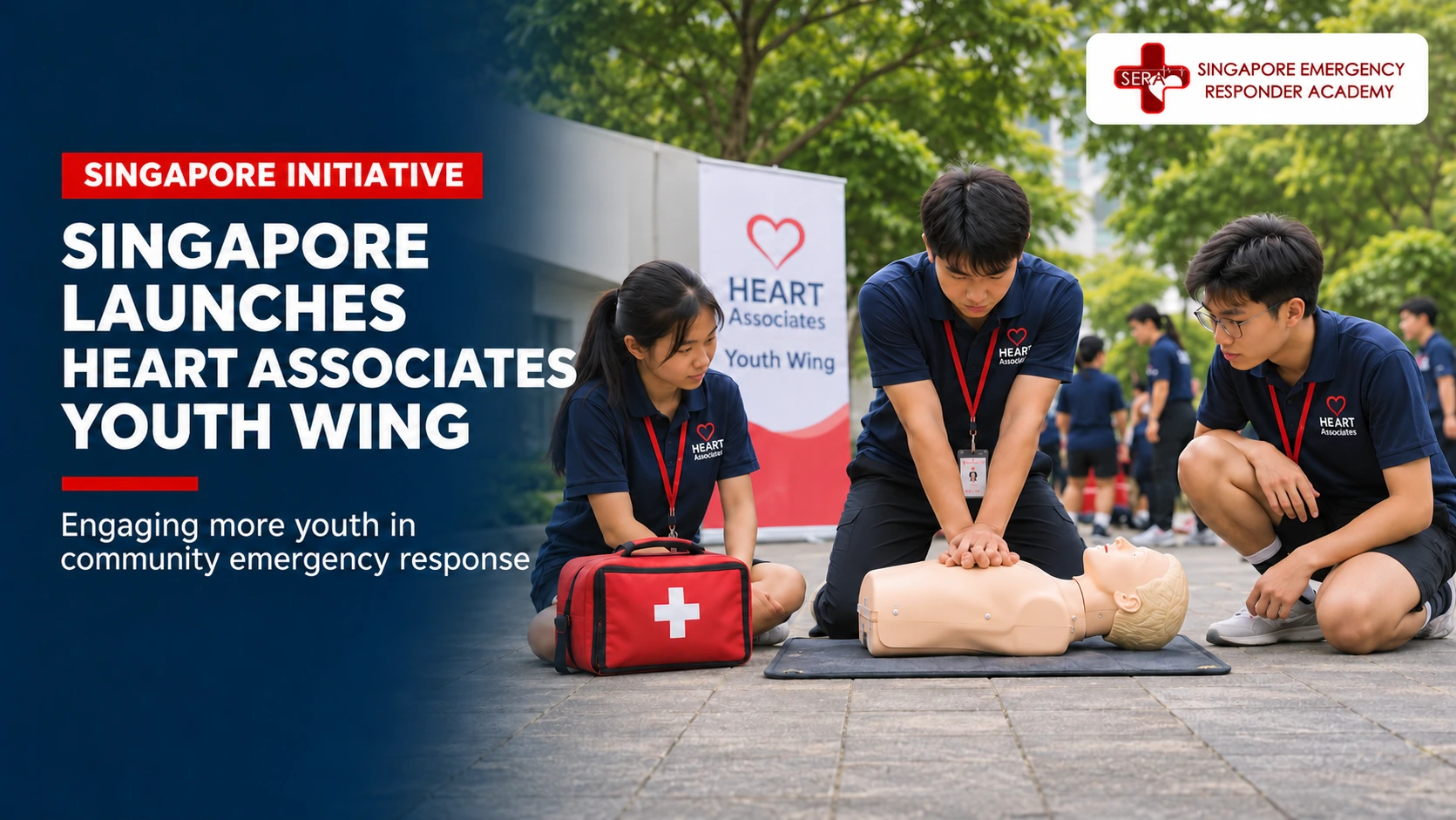
Singapore launched the HEART Associates Youth Wing on 27 October 2026 to strengthen psychological preparedness and community resilience. With close to 100 young people expressing interest, the initiative highlights the value of trusted information, peer support and psychological first aid during challenging situations.
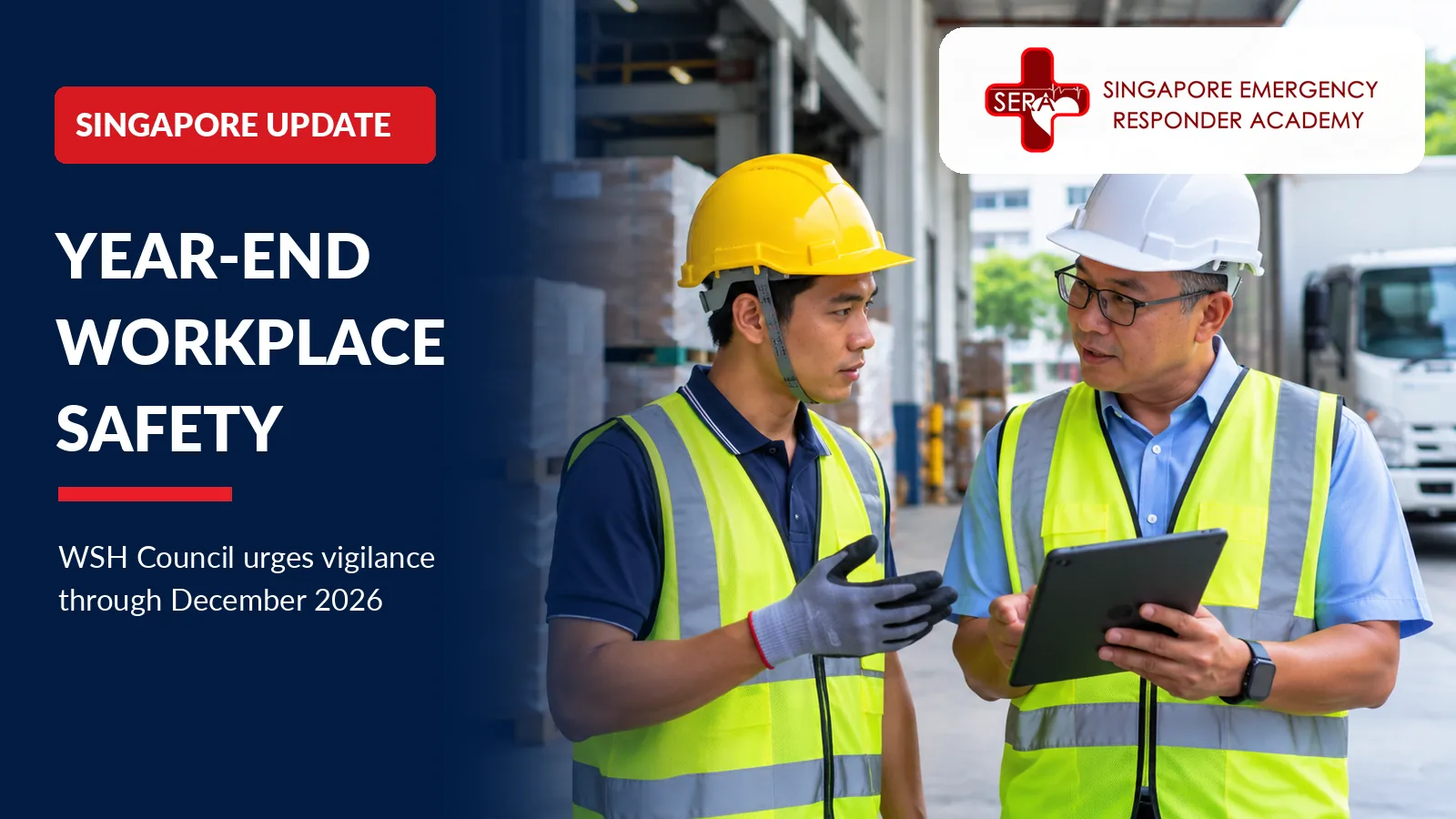
Year-End Workplace Safety 2026: What Singapore Employers Should Check
SINGAPORE UPDATE | WORKPLACE SAFETY
As 2026 draws to a close, Singapore employers may be managing tighter deadlines, staff leave and increased operational pressure. These conditions can make it harder to maintain consistent supervision and safe working practices, particularly in higher-risk environments.
On 19 November 2026, the Workplace Safety and Health (WSH) Council issued a year-end reminder calling on companies to maintain safety vigilance. The announcement also confirmed that the Ministry of Manpower (MOM) had extended enhanced enforcement measures in two sectors until 31 December 2026.
Key takeaway: Year-end deadlines do not justify shortcuts. Employers should review work planning, risk controls, fatigue, supervision and emergency arrangements before staffing patterns or workloads change.
What Did the WSH Council Announce?
The WSH Council’s announcement, titled “Finish Strong, Finish Safe”, emphasised that workplace safety must remain a priority even when businesses face competing operational demands.
MOM’s enhanced enforcement measures for the Construction and Transportation & Storage sectors have been extended until 31 December 2026. This extension specifically concerns those sectors; it should not be interpreted as a new enforcement programme covering every industry on identical terms.
However, the Council’s wider safety reminder applies to organisations across Singapore. Employers were encouraged to review risk controls, maintain supervision, avoid shortcuts, manage fatigue and create an environment where workers can report unsafe conditions.
Why Is the Year-End Period a Safety Concern?
Safety arrangements are sometimes planned around normal operations. December schedules may look very different. Experienced supervisors could be on leave, temporary workers may be less familiar with procedures, and delivery or project deadlines may place additional pressure on employees.
For companies running evening shifts, weekend operations or extended hours, the availability of designated first aiders and emergency contacts also deserves attention. A safety plan is useful only when the people, equipment and procedures it depends on remain available.
Five Practical Checks for Employers
1. Review Work Plans and Risk Controls
Identify activities that are being accelerated to meet deadlines. Check whether existing risk assessments still reflect the actual work, staffing and equipment arrangements. If additional jobs have been added, make sure the appropriate controls are reviewed before work begins.
2. Confirm Effective Supervision
When supervisors take leave, designate suitably competent replacements. Workers should know who has authority to stop unsafe work, approve changes and respond to incidents. New or temporary employees should receive the instructions needed for their actual assignments rather than relying on informal handovers.
3. Manage Fatigue
Long working hours, reduced rest and demanding shift patterns may affect concentration and judgement. Review overtime, rest opportunities and task allocation. Where possible, avoid assigning particularly hazardous work to employees who are visibly fatigued or inadequately rested.
4. Reinforce Stop-Work and Reporting Practices
Use a short toolbox briefing to remind staff that unsafe conditions must be reported promptly. Supervisors should respond constructively to concerns rather than rewarding shortcuts or discouraging reporting. A near miss provides an opportunity to prevent a more serious incident.
5. Check Emergency and First Aid Readiness
Confirm that emergency exits remain clear, first aid supplies are accessible and designated responders are present during operating hours. Review AED locations where provided, ambulance access routes and the procedure for contacting SCDF. If a workplace operates while its usual first aider is on leave, arrange appropriate coverage.
Emergency reminder: Call 995 for life-threatening emergencies such as cardiac arrest, loss of consciousness, severe bleeding or major trauma. Give the operator the location and relevant details, follow instructions and arrange for someone to guide responders to the casualty.
How First Aid Training Supports Workplace Safety
Prevention remains the first priority. First aid training supports the response when an injury or sudden medical emergency nevertheless occurs. Training can help designated personnel recognise emergencies, provide appropriate immediate assistance and communicate with arriving responders.
Employers should distinguish between general awareness training, appointed workplace first-aider qualifications and Company Emergency Response Team requirements. These serve different purposes, and course selection should reflect the organisation’s actual obligations.
Relevant SERA Training
Occupational First AidFor appointed workplace first aiders requiring practical emergency-response skills.
CERT First AidFirst aid, CPR and AED skills for designated CERT first aiders.
Corporate TrainingDiscuss appropriate training arrangements for your team.
Plan Your Workplace First Aid Training
Review your team’s first-aid capabilities before the next operational period. SERA can help organisations identify suitable training options.
Request a Training QuoteFrequently Asked Questions
When do the extended MOM enforcement measures end?
The WSH Council stated that the enhanced measures for Construction and Transportation & Storage have been extended until 31 December 2026. Employers should check MOM for subsequent announcements.
Does the announcement create a new first aid certification requirement?
No new first aid certification requirement was announced in the 19 November notice. Existing workplace first aid obligations remain separately applicable.
Should companies review first aider coverage during annual leave?
Yes. Employers should check that their required first aid arrangements remain effective during leave, shift changes and overtime periods.
Is a safety toolbox meeting enough?
A briefing can reinforce awareness, but it cannot replace appropriate risk assessments, supervision, safe systems of work or necessary training.
What should an employer do after a serious workplace injury?
Make the area safe without exposing others to danger, arrange emergency medical assistance where needed, provide appropriate first aid and comply with applicable reporting requirements.
Sources and Further Reading

Related Posts