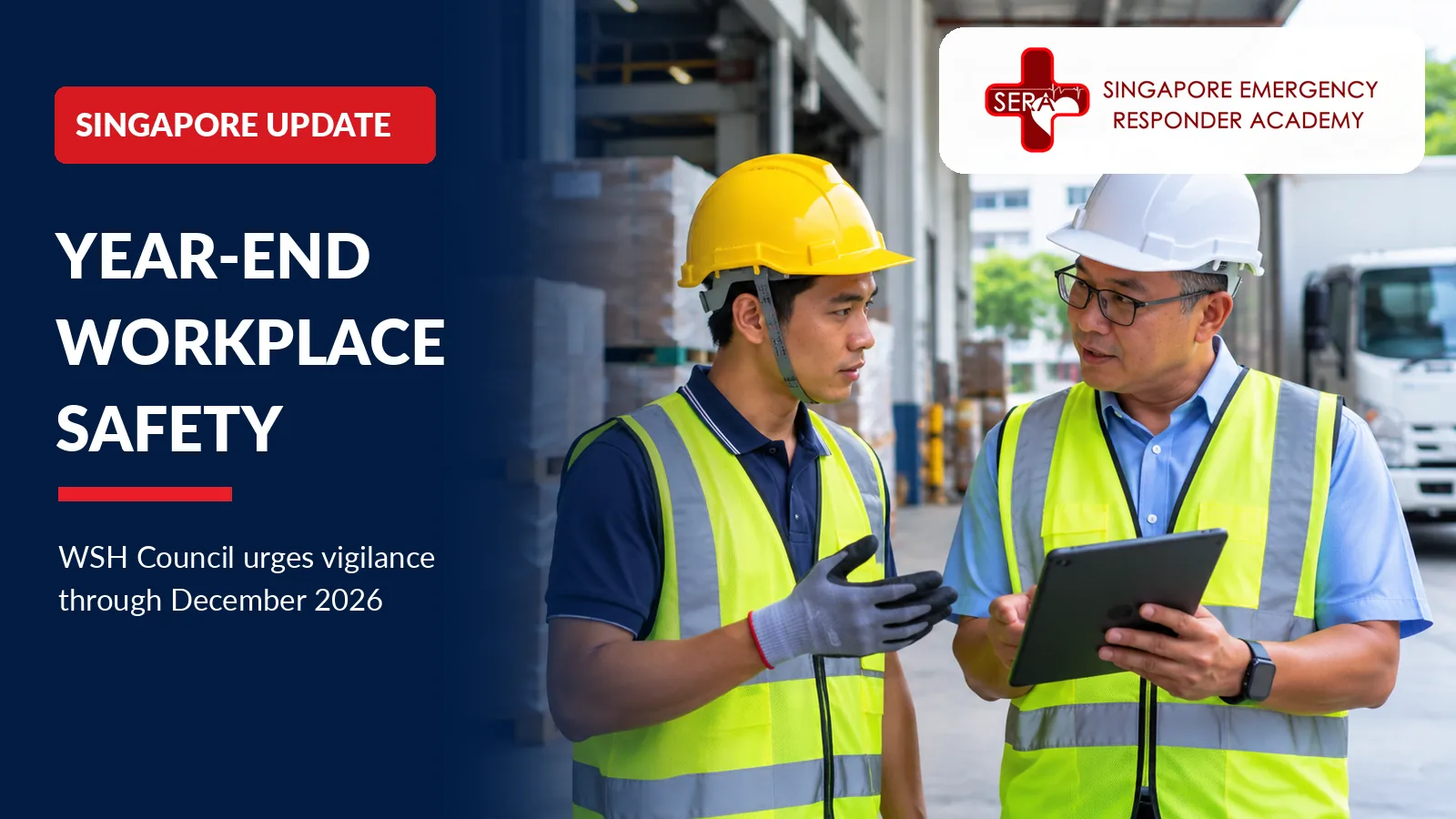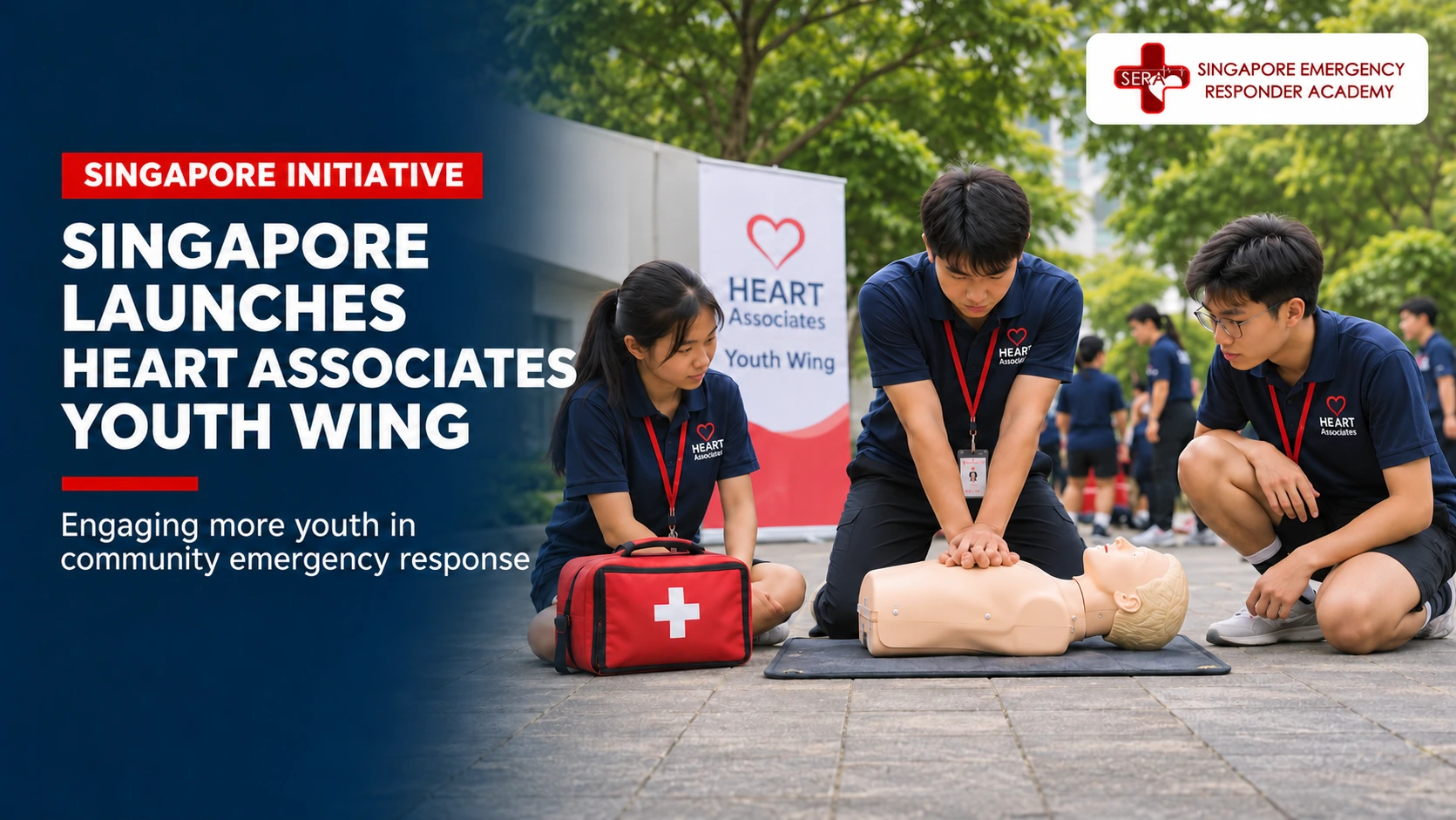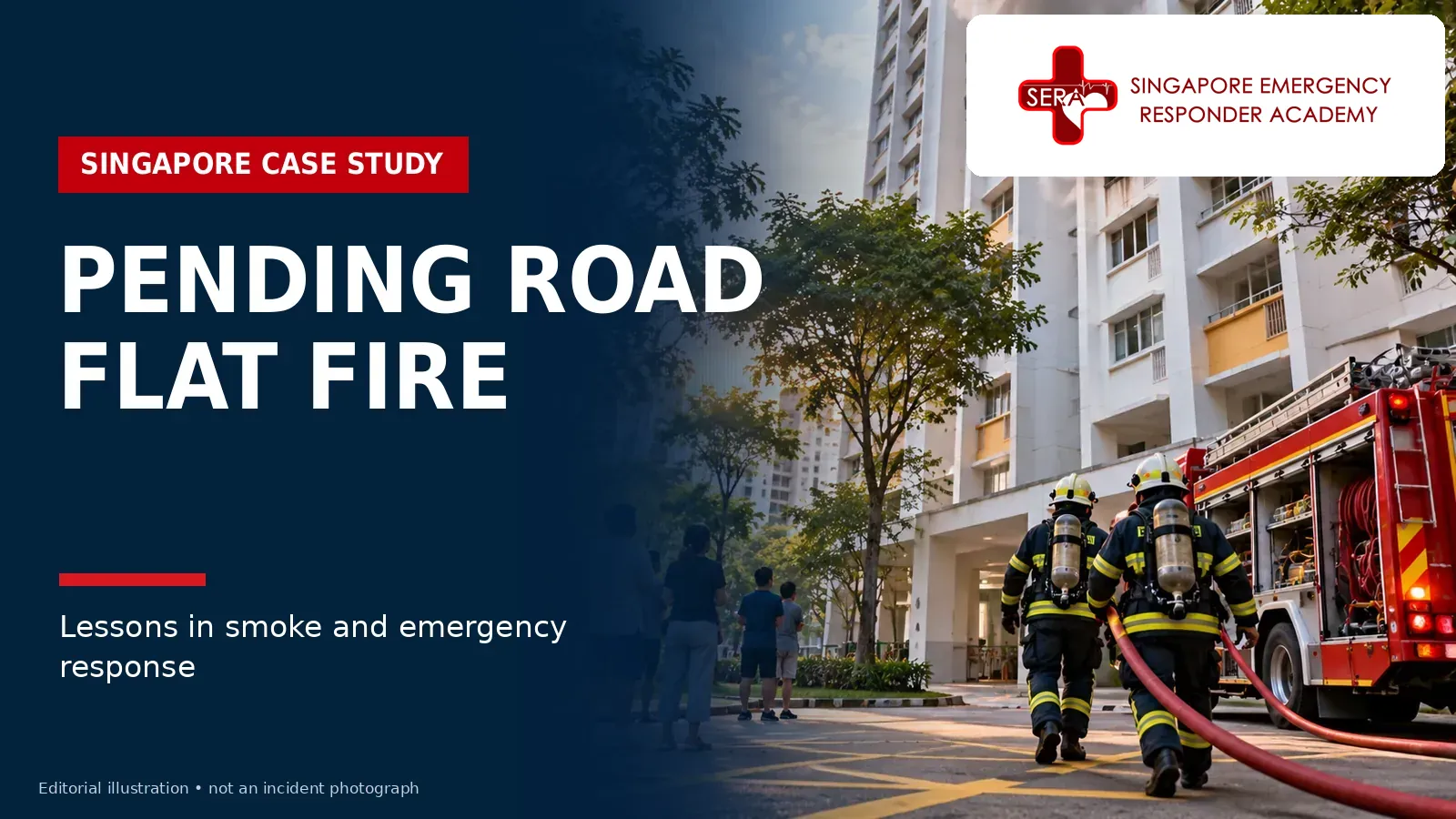
Singapore's WSH Council has urged employers to maintain safety standards as workloads and leave arrangements change towards year-end. With enhanced enforcement extended in two high-risk sectors, this guide explains practical steps to manage fatigue, supervision, emergency readiness and workplace first aid.
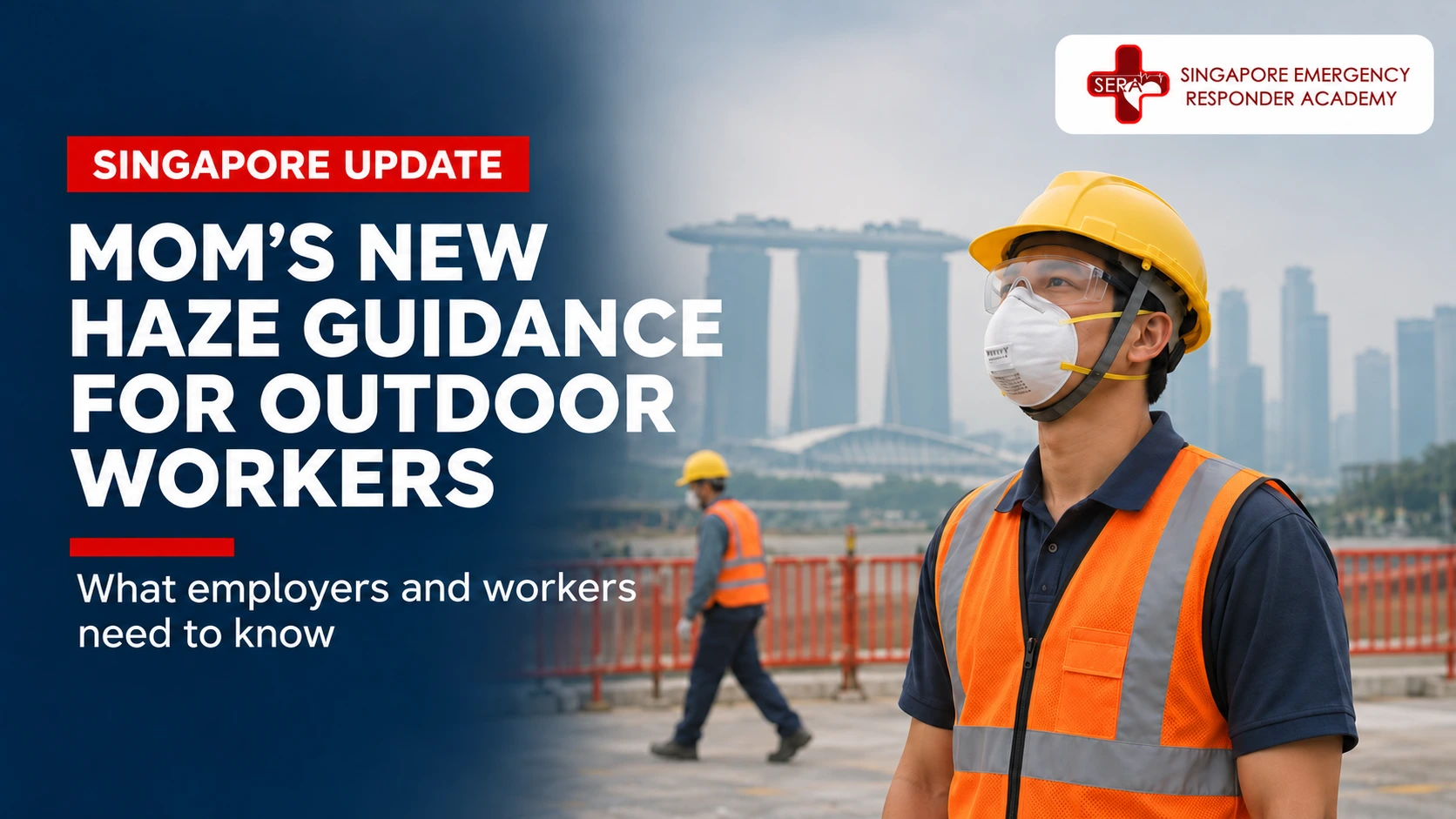
Singapore’s New Haze Work Guidelines: What Employers Must Know About 1-Hour PM2.5 Readings
Singapore Workplace Safety | October 2026 Update
Singapore employers have received additional guidance on protecting outdoor workers during haze. On 20 October 2026, the Ministry of Manpower (MOM) announced that employers should use 1-hour PM2.5 readings to adjust outdoor work as air quality changes throughout the day.
What has changed?
Employers should use the PSI forecast
to plan outdoor work for the following
day, then monitor 1-hour PM2.5 readings
to make adjustments during the day.
The guidance provides specific
precautions for healthy and
vulnerable workers across
four air-quality bands.
1. Why Did MOM Issue Additional Haze Guidance?
Haze conditions can change significantly within a working day. An outdoor activity planned using the previous day’s forecast may become unsuitable if air quality deteriorates unexpectedly.
According to MOM’s 20 October announcement , the additional guidance is intended to help employers respond promptly to changing air quality.
The 24-hour Pollutant Standards Index (PSI) remains important for forward planning. However, 1-hour PM2.5 readings provide a more immediate indication of particulate pollution during the day.
2. What Are the Four PM2.5 Bands?
MOM’s guidance distinguishes between healthy employees and vulnerable employees, including older workers, pregnant workers and those with chronic heart or lung diseases.
01
Normal: 0–55 µg/m³
Outdoor activities may continue normally for healthy and vulnerable employees. Employers should continue monitoring haze conditions.
02
Elevated: 56–150 µg/m³
Healthy employees should reduce strenuous outdoor work. Vulnerable employees should avoid strenuous outdoor work. Employers should introduce additional precautions such as indoor rest breaks and job rotation.
03
High: 151–250 µg/m³
Healthy employees should avoid strenuous outdoor work. Vulnerable employees should avoid outdoor work. Where strenuous outdoor work cannot be avoided, employers should provide suitable masks.
04
Very High: 251 µg/m³ and Above
Employers should minimise all outdoor work for healthy employees and prohibit outdoor work for vulnerable employees. Non-essential work should be deferred where possible. Workers who must remain outdoors should receive appropriate respiratory protection and hourly indoor rest breaks.
251 µg/m³ and Above
At the Very High PM2.5 band, MOM’s guidance states that outdoor work must be prohibited for vulnerable employees. Employers should minimise outdoor work for other employees and introduce additional controls.
3. Which Employees Need Additional Protection?
MOM specifically identifies older employees, pregnant employees and workers with chronic heart or lung diseases as vulnerable.
Employers should identify relevant risks without unnecessarily disclosing employees’ private medical information.
Affected workers may require redeployment, modified duties or reduced outdoor exposure.
Managers should avoid treating every employee as having the same tolerance for haze.
4. Are N95 Masks Required?
MOM recommends suitable respiratory protection where outdoor work cannot be avoided under specified higher-risk conditions.
At the High PM2.5 band, masks should be provided when strenuous outdoor work is unavoidable.
At Very High readings, masks or suitable respirators should be provided where outdoor work cannot be avoided.
Employers should ensure workers who need masks or respirators are fit-tested. They should also consider correct usage, worker health and the specific work environment.
Masks do not replace measures such as reducing exposure, redeploying workers or providing indoor breaks.
Important distinction:
The 20 October announcement
provides additional haze guidance.
It should not be confused with
MOM’s separate enhanced Heat Stress
Management Framework, which
introduces additional mandatory
measures from 1 December 2026.
5. What Should Employers Do Immediately?
Outdoor operations should have a practical haze management plan.
MOM recommends reviewing:
- Employees vulnerable to haze exposure.
- Outdoor activities that can be reduced or rescheduled.
- Criteria for restricting outdoor work.
- Communication procedures when readings change.
- Indoor rest facilities and work rotation.
- Mask fit testing and suitable protective equipment.
Employers with outdoor workers should also maintain at least one week’s supply of masks as part of their haze-related business continuity arrangements.
6. What If a Worker Becomes Unwell?
Haze exposure may cause irritation, coughing or breathing discomfort.
If an employee becomes unwell, stop the activity and move them away from the exposure to a safer indoor environment.
Arrange appropriate medical assessment when necessary.
Call 995 for serious symptoms, including:
- Severe breathing difficulties.
- Chest pain.
- Loss of consciousness.
- Other potentially life-threatening symptoms.
Follow instructions from the SCDF emergency dispatcher.
These are general emergency response recommendations, not additional requirements introduced by MOM’s haze guidance.
Relevant SERA Emergency Preparedness Training
Occupational First Aid
Practical workplace first aid training for appointed first aiders.
Explore OFA →Standard First Aid
First aid and CPR+AED skills for responding to common medical emergencies.
Explore SFA →Corporate First Aid Talks
Customisable first aid awareness sessions for workplace teams.
Explore Talks →Strengthen Your Workplace Emergency Readiness
Managing haze risks requires appropriate work arrangements, clear communication and effective emergency procedures.
SERA provides practical first aid and emergency-response training for Singapore organisations. First aid training complements, but does not replace, employer haze risk assessments and regulatory responsibilities.
Request Corporate TrainingFrequently Asked Questions
1. When was MOM’s new haze guidance announced?
MOM issued the additional guidance on 20 October 2026.
2. What is the difference between PSI and PM2.5?
The PSI forecast helps employers plan future outdoor activities. The 1-hour PM2.5 reading supports adjustments during the day.
3. When should vulnerable workers avoid outdoor work?
MOM advises avoiding outdoor work at High PM2.5 readings of 151–250 µg/m³.
4. When must outdoor work be prohibited for vulnerable workers?
At Very High readings of 251 µg/m³ and above.
5. Does an N95 mask make outdoor work safe?
Not automatically. Employers must consider exposure, work intensity, individual health and suitable risk mitigation measures.
6. Is this the same as the December 2026 heat-stress requirements?
No. MOM’s enhanced heat-stress requirements are a separate workplace safety development.
Official Sources and Further Reading
- MOM — Additional Haze Guidance, 20 October 2026
- MOM — Guidelines for Employers on Protecting Employees from Haze
- MOH — Haze Health Guidance
- SCDF — Emergency Medical Services
- MOM — Enhanced Heat Stress Management Framework
This article explains MOM’s published haze guidance and general emergency-response precautions. Employers should refer to the latest official guidance and assess their specific workplace risks.

Related Posts