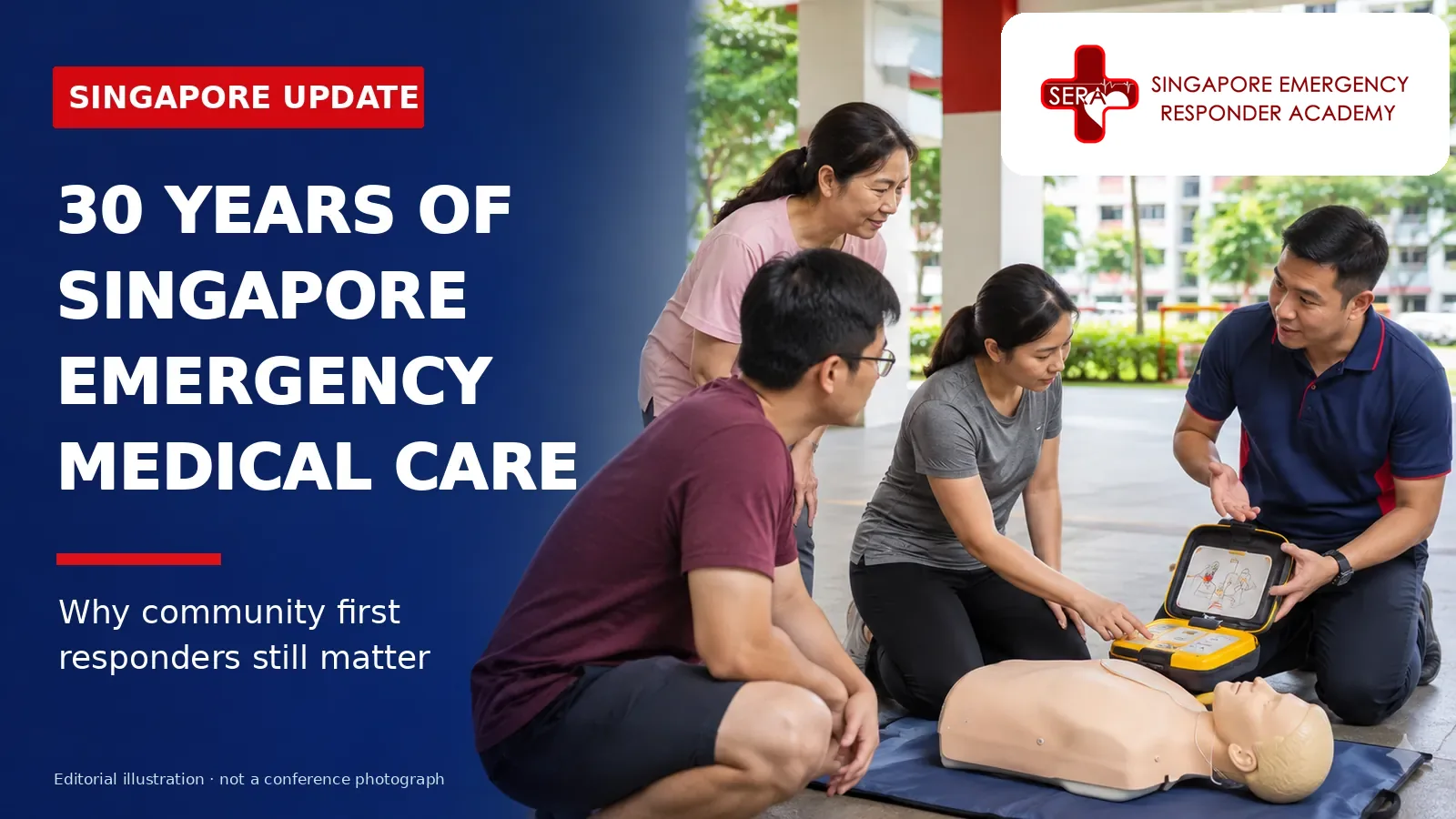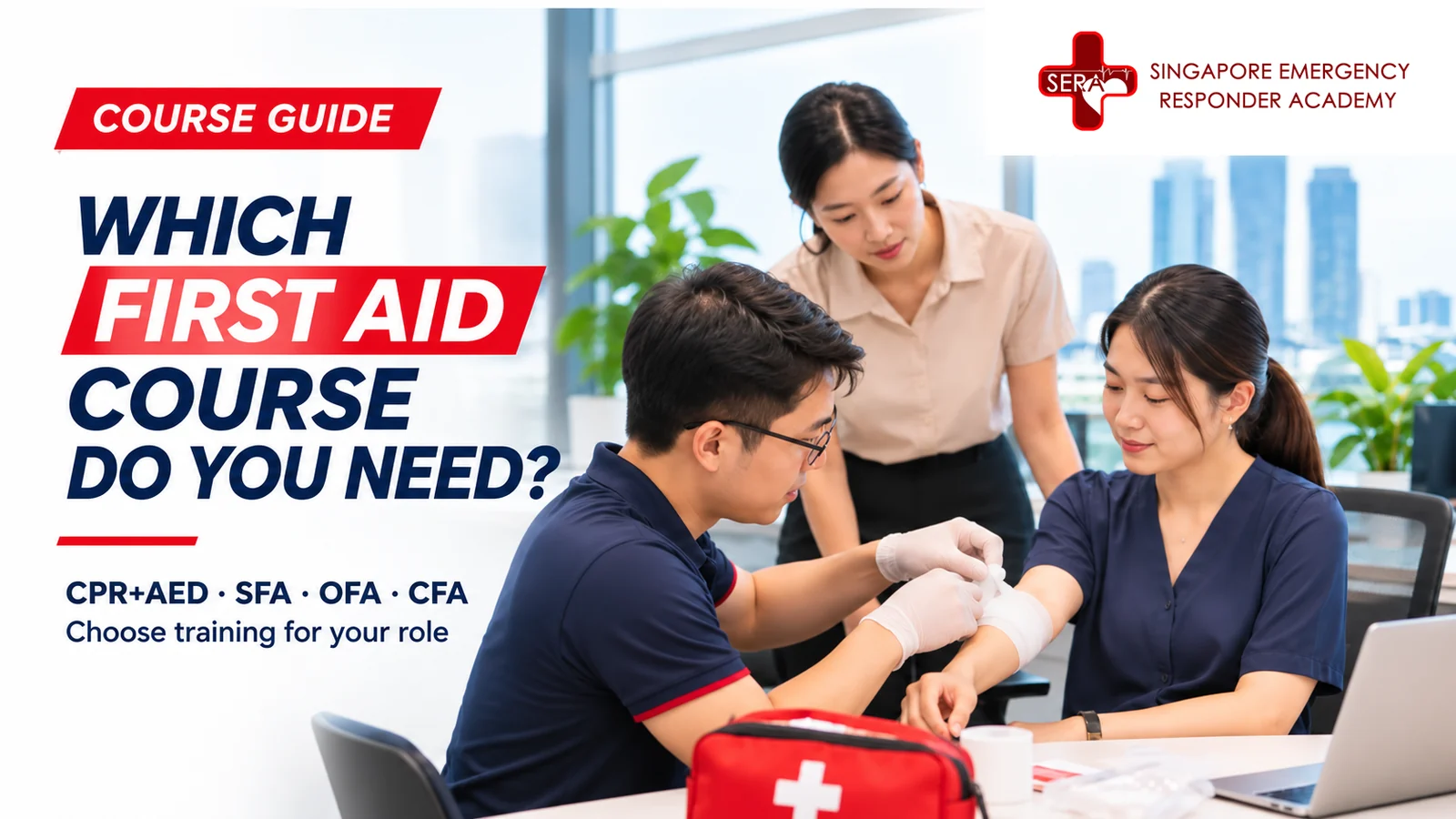
At EMS Asia 2026 on 10 November, Singapore commemorated three decades of emergency medical services since SCDF paramedicine began in 1996. The event highlighted how bystanders, community responders, dispatchers and paramedics work together to save lives—and why CPR and AED training matters to everyone.
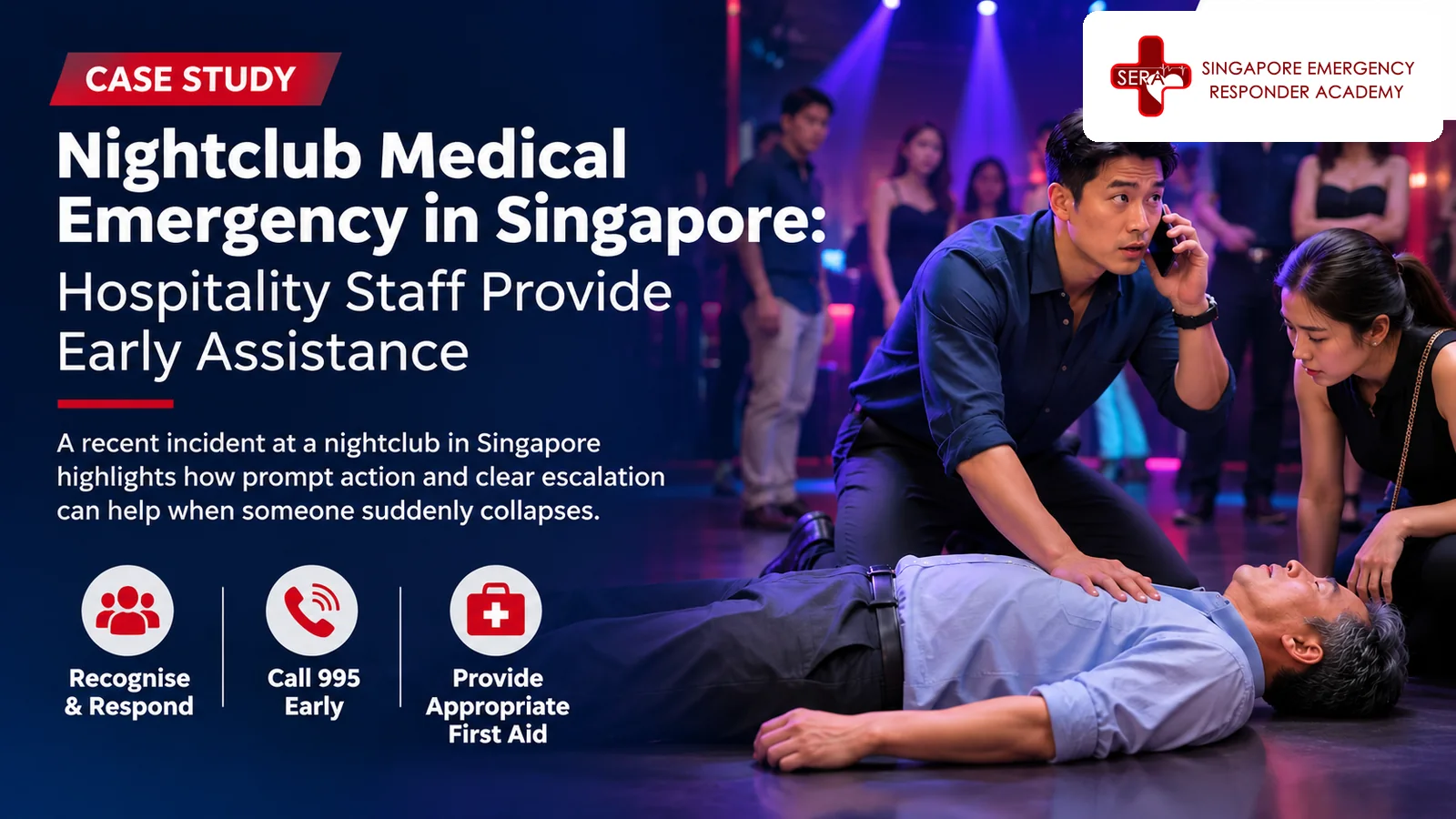
Zouk Cardiac Arrest: How a Bystander’s CPR Helped During a Singapore Nightclub Emergency
SERA | Singapore Emergency Preparedness
On 19 September 2026, a man in his 50s collapsed at Zouk Singapore. A subsequent media report described a bystander performing CPR before emergency responders arrived. The incident is a reminder that medical emergencies can happen during ordinary social activities.
Key takeaway: SCDF confirmed an emergency call at about 2:35am from 3C River Valley Road and conveyance of one person to Singapore General Hospital. The CPR and recovery details came from a friend’s account reported by Mothership, not independent SCDF confirmation.
1. What happened at Zouk?
A friend reported that the man collapsed while dancing at the nightclub. A stranger reportedly stepped forward to perform CPR. SCDF confirmed the emergency call and hospital conveyance. A friend's subsequent account described AED treatment during ambulance transport and recovery in hospital; the patient's longer-term outcome was not independently established.
2. What is cardiac arrest?
Cardiac arrest occurs when the heart stops pumping blood effectively. A person may suddenly collapse, become unresponsive and stop breathing normally. Early recognition, CPR and an AED can help sustain circulation while professional help is on its way.
Call 995 for life-threatening emergencies
Follow SCDF emergency dispatcher instructions and provide assistance only when it is safe.
3. Check responsiveness and breathing
Check that the surroundings are safe. Speak to the person and gently check for a response. If they are unresponsive and not breathing normally, suspect cardiac arrest. Do not assume the person is merely asleep, intoxicated or fainting.
4. Call 995 immediately
Tell the dispatcher the precise venue, floor and nearest entrance, describe the casualty’s condition and follow instructions. Ask another person to meet ambulance personnel and guide them to the casualty. In a crowded venue, assign tasks clearly.
5. Start CPR and obtain an AED
Begin chest compressions for an unresponsive adult who is not breathing normally, following dispatcher guidance. Ask someone to bring the nearest AED. Turn it on and follow its voice prompts, keeping everyone clear during rhythm analysis or a shock.
6. How should nightlife venues prepare?
Staff should know where the AED is located, who calls 995, how to clear space around a casualty and how to guide responders through the premises. Regular practice helps reduce confusion in noisy or crowded environments.
7. What can bystanders learn?
You do not need to be a healthcare professional to recognise an emergency and call 995. Practical CPR and AED training can build confidence. The incident illustrates why emergency skills matter at work, at home and during social activities.
Relevant SERA Training
Standard First Aid
Explore practical training appropriate to your role and responsibilities.
Explore course →Corporate Training
Explore practical training appropriate to your role and responsibilities.
Explore course →Build Emergency Readiness
SERA provides practical first aid and emergency-response training for individuals and organisations in Singapore.
Request Corporate TrainingFrequently Asked Questions
When did the incident occur?
19 September 2026.
What did SCDF confirm?
An emergency call and hospital conveyance.
Was CPR reported?
Yes, through a friend's account reported by the media.
Was an AED used at Zouk?
The reported AED use was during ambulance conveyance, not confirmed inside the venue.
Can the public use an AED?
Yes. Follow its prompts and dispatcher guidance.
Did the man recover?
A friend reported recovery, but long-term outcome was not established.
Sources and Further Reading
This draft is for editorial review only. Incident facts and general first-aid guidance should remain clearly distinguished.

Related Posts